
Views: 0 Author: Site Editor Publish Time: 2025-09-01 Origin: Site


Acrylic Mirror looks like glass but is lighter and safer. It’s popular for DIY projects yet tricky to cut cleanly. The main challenge is avoiding cracks or damage to the reflective layer. In this article, you’ll learn safe, step-by-step methods for cutting acrylic mirror at home.
When people start working on an acrylic mirror, the first decision is sheet thickness. Thinner sheets, around 2–3 mm, are much easier to score and snap cleanly. If it gets thicker, the mirror becomes harder to handle, and cracks can appear along the reflective layer. Most DIY projects use small or medium panels, so thinner options save effort. It is also safer since less force is needed during breaking. Thicker acrylic mirror panels usually need power tools such as saws or even laser cutting, which may not be practical at home. Choosing the right thickness before cutting helps avoid wasted material. Many suppliers also provide clear information about cutting limits, and they recommend keeping hobby projects within the lighter range.
Safety is one part people ignore when cutting acrylic mirrors. Acrylic looks soft, but it can snap into sharp fragments that can injure the hands or eyes. Always use goggles to protect eyes from shards, and gloves to prevent cuts while handling. Avoid aggressive methods like using a jigsaw or scissors, because those tools can send brittle pieces flying. Instead, rely on a sharp utility knife, an acrylic cutter, or a scoring tool. The reflective backing on the mirror is very delicate, so if it cracks, the surface becomes useless. Keep your movements slow and steady, and never rush through scoring. Good preparation and patience make the process safe and predictable.
Before cutting, gather every tool in one place so you do not have to pause midway. A simple list helps keep things organized:
● Acrylic mirror sheet
● Measuring tape or ruler
● Straight edge or try-square
● Utility knife or acrylic cutter
● Permanent marker for marking lines
● Padded clamps for holding the sheet
● Sandpaper or sanding block
● Microfiber cloth for cleaning
The knife should always have a fresh blade, since a dull edge will drag across the sheet and may cause cracks. Metal clamps are not recommended, as they can damage both the sheet and the straight edge. Instead, use padded clamps that apply pressure gently. Some people also make a cardboard template of the shape to reduce repeated handling of the mirror sheet.
The workspace plays a big role in achieving a clean cut. The sheet should rest on a flat, stable surface such as a workbench or a large table. Always keep the protective film on the mirror until the very end to prevent scratches. When scoring, make sure the straight edge is clamped firmly so the knife stays aligned. Working on the shorter edge first is a helpful trick because it makes the sheet easier to manage. Position the line along the edge of the workbench when it is time to snap the mirror. Press the larger part firmly against the table, then apply controlled pressure on the overhanging section. If done correctly, it will break along the scored line without sending cracks across the surface.
Below is a reference table showing common acrylic mirror sheet thicknesses, recommended cutting methods, and typical uses:
Thickness (mm) | Cutting method at home | Cutting method professional | Typical use cases |
1 mm | Score and snap with knife | Laser cutting for complex shapes | Craft projects, decorative panels |
2 mm | Score deeply, snap cleanly | Circular saw for multiple sheets | Small mirrors, DIY décor |
3 mm | Multiple scoring passes, snap with care | Panel saw, band saw | Medium-sized wall mirrors |
4 mm and above | Not recommended at home | Laser, panel saw, CNC | Large mirrors, commercial panels |
Start by placing the acrylic mirror on a flat table. Use a measuring tape to mark the size you need. A straight edge or try-square helps keep lines accurate. Some people create a cardboard template to avoid repeated handling. Mark the line using a permanent marker. Keeping the sheet stable prevents slips that may scratch the surface. Leave the protective film on until the project is finished. It protects the mirror from small scratches and dust while working.
A sharp utility knife or an acrylic cutter works best for this step. Hold the blade at a slight angle and press firmly along the straight edge. The goal is to create a deep score, not to cut through the sheet. Scoring allows the material to break along the line later. Always use a fresh blade, since dull blades drag and cause uneven cuts. An acrylic cutter is often heavier, which makes it easier to apply pressure. Repeat strokes carefully while keeping the tool straight.
A single pass will not be enough on most sheets. Plan for 5 to 10 passes along the same line, depending on thickness. Each pass deepens the groove, making the final break easier. You should hear a crisp sound as the knife moves across the surface. Avoid pressing too hard early, since that increases the risk of cracks. Apply slightly more pressure at the start and end of each stroke. Consistency is more important than speed here.
After scoring, move the sheet so the line sits at the table’s edge. Hold the larger section flat on the surface and press down gently. Apply controlled pressure on the overhanging side until it snaps along the score. Do not force it, since rushing may send cracks across the reflective layer. For large sheets, ask someone to hold the opposite end to keep the cut stable. Thin sheets break more easily, while thicker ones may need extra passes before snapping.
The break leaves a sharp edge that should be smoothed. Use medium-grit sandpaper or a sanding block, moving slowly along the cut. Keep strokes steady to avoid chipping. If the sheet is for a visible project like wall décor, finish with fine-grit paper. This step reduces the risk of cuts during handling and improves the look. Some professionals use flame polishing for edges, but sanding is safer at home.
Once the piece is the right size, clean the surface before installation. Use a microfiber cloth and mild cleaning solution. Avoid strong chemicals, since they can damage the reflective backing. Remove any sanding dust from the edges. Peel away the protective film only after the cutting and cleaning steps are complete. This keeps the acrylic mirror surface smooth and free from scratches.
Note:For bulk cutting projects, pre-order acrylic mirror sheets in custom sizes from suppliers to reduce in-house labor and waste.
When a project requires very straight lines across large acrylic mirror sheets, a circular or panel saw is a reliable option. These saws minimize vibration, which reduces the chance of chipping. A carbide-tipped blade with many fine teeth works best. To protect the reflective layer, keep the masked side down during cutting. The feed rate should stay smooth and steady to prevent gumming. This approach suits jobs where consistent accuracy is critical, such as signage or retail displays. It is faster than manual scoring when working on multiple sheets at once.
Saber saws and jigsaws become useful when the design involves curves or inside cuts. Straight lines are harder to manage with these tools, but they handle shapes that other saws cannot. Always clamp a straight board near the cutting line to reduce vibration. Use blades that have at least 14 teeth per inch to avoid large chips. A jigsaw blade heats quickly, so a steady feed rate prevents melting. These methods are best suited for decorative panels or letters where curves matter more than speed.
Band saws are a good choice for cutting acrylic mirror sheets into rounded or irregular forms. The blade moves continuously, which helps maintain a smooth edge. Blades with at least 10 teeth per inch are recommended for clean results. Support the sheet carefully to avoid flexing, since too much pressure can crack the surface. This method is practical for trimming thermoformed parts or fabricating unique mirror designs for interiors. While it is slower than a panel saw, it provides much more flexibility.
For highly detailed work, laser cutting is unmatched. A CO₂ laser produces precise cuts and even polished edges without saw chips. It also allows almost any shape to be cut, from logos to patterns. One concern is stress buildup near the cut area, which can affect bonding if the piece is later cemented. Testing a scrap piece first is recommended. Laser cutting is more costly, but it saves time when designs are complex. Many commercial suppliers offer this service for acrylic mirror sheets.
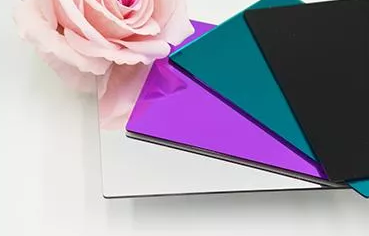
One of the biggest mistakes when working on an acrylic mirror is trying to cut through the entire sheet in one pass. Acrylic is brittle, and forcing a blade straight through it creates stress that leads to cracks. The proper way is to score the surface multiple times, creating a controlled groove. Once the line is deep enough, the sheet will snap cleanly. Following a step by step guide to cut acrylic mirror helps beginners avoid this common error.
Another mistake comes from blade choice. Many people reach for general-purpose saws, but blades with too few teeth leave rough edges or even chip the reflective coating. Fine-toothed blades—14 teeth per inch or more for jigsaws, 80 teeth or more for panel saws—are the safer option. They cut smoothly, keeping edges clean. Using the wrong blade not only ruins the surface but can also waste material and increase replacement costs.
Pressure control makes the difference between a clean snap and a ruined sheet. If pressure is applied unevenly, cracks spread across the mirror layer. Always press gently and consistently. When snapping along a score line, keep one side flat on the table and apply steady pressure on the overhanging side. Rushing or pushing too hard risks breaking the mirror in the wrong place. Smooth, patient movements preserve both the sheet and your project.
Skipping practice cuts is another issue, especially for first-time users. Acrylic mirrors react differently than plain acrylic sheets because of their reflective backing. Test scoring and snapping on a scrap piece helps you understand how much force to use. It also allows you to confirm whether your tools are sharp enough. This simple step builds confidence and prevents costly mistakes on the main piece.
When working on an acrylic mirror sheet, beginning with the shorter edge makes handling easier. A long sheet can be difficult to control, especially for new users. By cutting the shorter side first, the remaining piece becomes smaller and more manageable. It also helps reduce mistakes because less pressure is needed on a shorter line. This simple adjustment increases success and lowers the risk of cracks spreading across the reflective surface. Many guides highlight this step as part of a step by step guide to cut acrylic mirror, since it directly improves accuracy.
Clamps are helpful for holding the sheet in place, but they must be used carefully. Standard metal clamps may dent or scratch the surface. Instead, use padded clamps or add a protective layer such as cardboard between the clamp and sheet. Keeping the mirror stable while scoring is critical. Even small movements can lead to uneven grooves. By securing it correctly, you gain more control over each pass of the blade. Stability reduces the need for corrections later, saving both time and material.
A sharp blade ensures consistent, straight scoring lines. Dull blades drag across the surface and may cause chips in the mirror coating. For clean results, replace the utility knife blade often or use a fresh acrylic cutter. Some professionals change blades after every major project to maintain quality. A sharp edge allows deeper grooves with less effort, which makes the snapping process safer and more predictable. Skipping this step is a common mistake that leads to wasted sheets.
Patience is vital when scoring an acrylic mirror. Rushing increases the chance of slipping or applying uneven pressure. Move the blade slowly and listen for the faint “crinkle” sound, which indicates the groove is forming properly. After several passes, the sound becomes more noticeable. That is the signal the sheet is ready to snap. If you keep pushing without listening, the risk of cracking grows. This tip is especially useful for beginners who may not yet trust their scoring depth.
Once an acrylic mirror has been cut, the edges often feel sharp or uneven. The simplest way to fix this is sanding. Start with medium-grit paper to smooth out rough spots, then switch to fine-grit for a clear finish. Sanding blocks make it easier to keep edges straight. For a higher level of clarity, flame polishing can be used. This technique involves passing a small torch quickly over the edge to melt it slightly, creating a glossy finish. While effective, flame polishing requires practice because too much heat can warp the sheet. Many hobbyists rely on sanding because it is safer and easier to control.
Acrylic mirrors scratch more easily than glass, so cleaning must be gentle. Always use a microfiber cloth instead of paper towels, which can leave marks. A mild soap solution works well for removing dust and fingerprints. Avoid cleaners that contain ammonia or alcohol, since they can damage the reflective coating. When wiping, apply light pressure and clean in one direction. Leaving the protective film on until after finishing helps prevent early scratches. If residue from cutting or sanding remains, rinse with clean water before drying.
After following a step by step guide to cut acrylic mirror, the final step is installation. Mounting options depend on the project. For small pieces, double-sided adhesive tape is a quick choice. It works best on smooth, clean surfaces like walls or furniture. Larger mirrors often need more support, such as framing or mechanical fasteners. A frame protects edges from chipping and gives the mirror a professional look. When using screws, drill oversized holes to allow the sheet to expand and contract with temperature changes. This prevents cracks from forming over time.
The thickness of an acrylic mirror determines how easy it is to cut at home. Sheets under 3 mm are manageable using hand tools and scoring methods. Once thickness reaches 4 mm or more, the sheet becomes harder to snap cleanly, and cracks often appear. Larger panels also create stability problems during cutting, which makes them unsuitable for small workbenches. In these cases, specialized equipment like panel saws or lasers ensures better results. Knowing these limits helps you decide whether a job is a do-it-yourself task or a professional one.
Many home projects are perfect for DIY cutting. Small décor pieces, craft mirrors, or replacements for broken parts can be managed with a utility knife, straight edge, and clamps. Following a step by step guide to cut acrylic mirror gives hobbyists confidence and reduces errors. These projects are usually low risk and don’t demand polished edges. DIY cutting also saves money for simple jobs, letting people create custom pieces without outsourcing.
Some jobs require accuracy beyond home tools. Large mirrors for walls, commercial signage, or designs with fine curves belong in professional shops. Laser cutting provides smooth, polished edges and allows precise detail work. Professionals also have access to saws designed for plastics, reducing vibration and chipping. Outsourcing these projects prevents waste, especially when materials are expensive. Although costs are higher, the final quality justifies the investment.
Cutting an acrylic mirror at home is simple with patience and the right tools. Measure carefully, score, snap, smooth, and clean for best results. Practice on scraps first to avoid mistakes and know when professionals can save time. GOODSENSE offers high-quality acrylic mirrors that are durable, versatile, and designed for both DIY and commercial projects, helping customers achieve reliable results with added value.
A: The safest method is scoring and snapping, as explained in our acrylic mirror guide.
A: Cracks happen from uneven pressure; follow the acrylic mirror guide for smooth scoring.
A: Yes, but only for curves, and the acrylic mirror guide suggests fine-tooth blades.
A: DIY is affordable for small sheets, while professionals handle large panels more efficiently.

